
Parts of a Laser Cutting Machine and Their Functions
Key takeaways
- The laser source and cutting head decide what thickness and material you can cut.
- Assist gas, cooling and fume extraction are essential, not optional extras.
- Safety enclosures and interlocks protect operators from the beam.
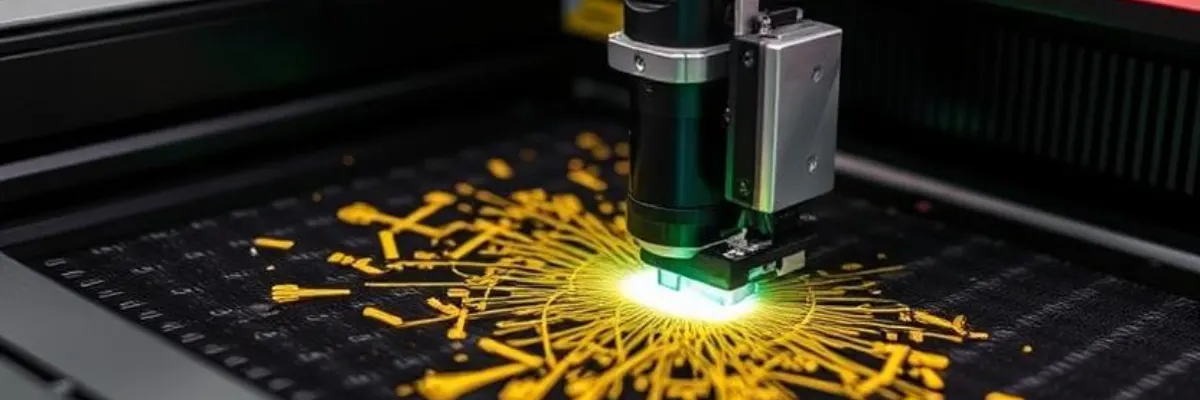
A laser cutting machine is a powerful precision tool used to cut metals, plastics, composites, and more with incredible speed and accuracy. To fully understand its operation—or make an informed purchase—it’s essential to know the core components and what they do.
Here’s a complete breakdown of the key parts of a laser cutting system and their roles in performance, safety, and cut quality.
1. Laser Source
Function: Generates a focused, high-energy laser beam.
Types:
- CO₂ Laser: Great for wood, acrylic, and mild steel.
- Fiber Laser: Ideal for metals—aluminum, stainless, copper.
- Crystal Laser (Nd:YAG): Used in specialty cutting and marking.
Tip: The laser source type determines what materials you can cut and how fast.
2. Power Supply & Pump Modules
Function: Energizes the laser medium and maintains consistent beam output.
Features:
- High-voltage power units for gas lasers.
- Diode pump modules for fiber lasers.
Stable electrical supply = stable beam = consistent cut quality.
3. Beam Delivery System
Function: Routes the laser from the source to the cutting head.
Components:
- Mirrors: Used in CO₂ lasers to reflect the beam across the machine.
- Fiber Optic Cables: Used in fiber lasers for direct beam transmission.
Efficient beam delivery = minimal energy loss.
4. CNC Controller & Motion System
Function: Controls the laser’s movement along the X and Y axes.
Includes:
- Servo/Stepper Motors: Drive the gantry or beam delivery optics.
- Linear Rails & Ball Screws/Rack Drives: Enable smooth, accurate motion.
- HMI Panel: Interface for loading files and setting cut parameters.
This is the brain and muscle behind your cutting precision.
5. Cutting Head (Nozzle Assembly)
Function: Focuses and directs the laser beam onto the material surface.
Key Features:
- Focusing Lens: Narrows the beam to a high-intensity point.
- Nozzle: Channels assist gas and laser to the cutting zone.
- Height Sensor: Maintains focus height automatically, even on warped materials.
A good cutting head = clean edges and faster throughput.
6. Assist Gas System
Function: Injects high-pressure gas into the cutting zone for efficiency and quality.
Gas Options:
- Oxygen: For carbon steel (faster, oxidized edges).
- Nitrogen: For stainless or aluminum (clean, oxide-free edges).
- Air: Cost-effective for basic applications.
Includes: Regulators, flow meters, gas lines, and purge valves.
Proper gas selection can make or break edge quality.
7. Worktable & Fixturing
Function: Supports and positions the material being cut.
Types:
- Slat Tables: For thicker sheets and drop-through scrap removal.
- Honeycomb Tables: For light materials and minimal laser bounce-back.
Sturdy, well-aligned tables help minimize vibration and protect the optics.
8. Fume Extraction & Filtration
Function: Removes smoke, vapor, and particulates from the cutting area.
System Components:
- Extraction hood or arm
- Ducting and centrifugal blower
- Filter stages: Pre-filter, activated carbon, HEPA
Essential for operator safety and air quality compliance.
9. Cooling System
Function: Regulates temperatures of laser optics, sources, and power modules.
Options:
- Water Chillers: For high-power CO₂ or fiber systems.
- Air Cooling: For compact, low-wattage machines.
Overheating = laser instability and reduced lifespan.
10. Safety Enclosure & Interlocks
Function: Protects users from direct or reflected laser exposure.
Safety Features:
- Laser-safe Enclosure: With sealed or tinted viewing windows.
- Interlocks: Automatically disable the laser when doors are opened.
- E-Stop Switches: Immediate power cut-off.
Laser cutting machines are Class 1 when fully enclosed—otherwise, PPE and signage are required.
Quick Reference Table
| Component | Function |
|---|---|
| Laser Source | Generates the laser beam |
| Power Supply | Energizes laser medium |
| Beam Delivery | Routes laser from source to head |
| CNC Controller | Coordinates cutting motion |
| Cutting Head | Focuses beam and applies assist gas |
| Assist Gas System | Blows molten material away and enhances cut quality |
| Worktable | Supports the material under the beam |
| Fume Extraction | Removes harmful vapors and particles |
| Cooling System | Keeps optics and electronics at stable temps |
| Safety Enclosure | Prevents accidental beam exposure |
Need a machine for this?
Tell us your part, material and quantity. We will suggest suitable new and used machines with prices.
Questions about this topic
What is assist gas in laser cutting?
Oxygen, nitrogen or air blown through the nozzle to help cut and clear molten material; the choice affects speed and edge quality.
Fibre or CO₂ laser?
Fibre lasers dominate sheet-metal cutting for speed and running cost; CO₂ lasers are still used for some non-metals.
Does CNC Online supply laser cutters?
Laser cutting machines can be sourced on request – tell us the material, thickness and sheet size.
Machines related to this guide
No machines match these filters. Tell us what you need and we will find one.
Talk to a CNC machine specialist
Send a drawing or just the part size and quantity – we will tell you which machine fits and what it costs.